August - September 2025 eBulletin Special Biodiversity eBulletin

Report of 2025 IAF Biodiversity WG Meeting
The IAF Biodiversity Working Group convened a hybrid meeting on 5th July 2025 at the IAF Office in Brussels. The meeting focused on biodiversity conservation efforts in Europe, particularly discussing the EU Nature Restoration Regulation and its implementation challenges.
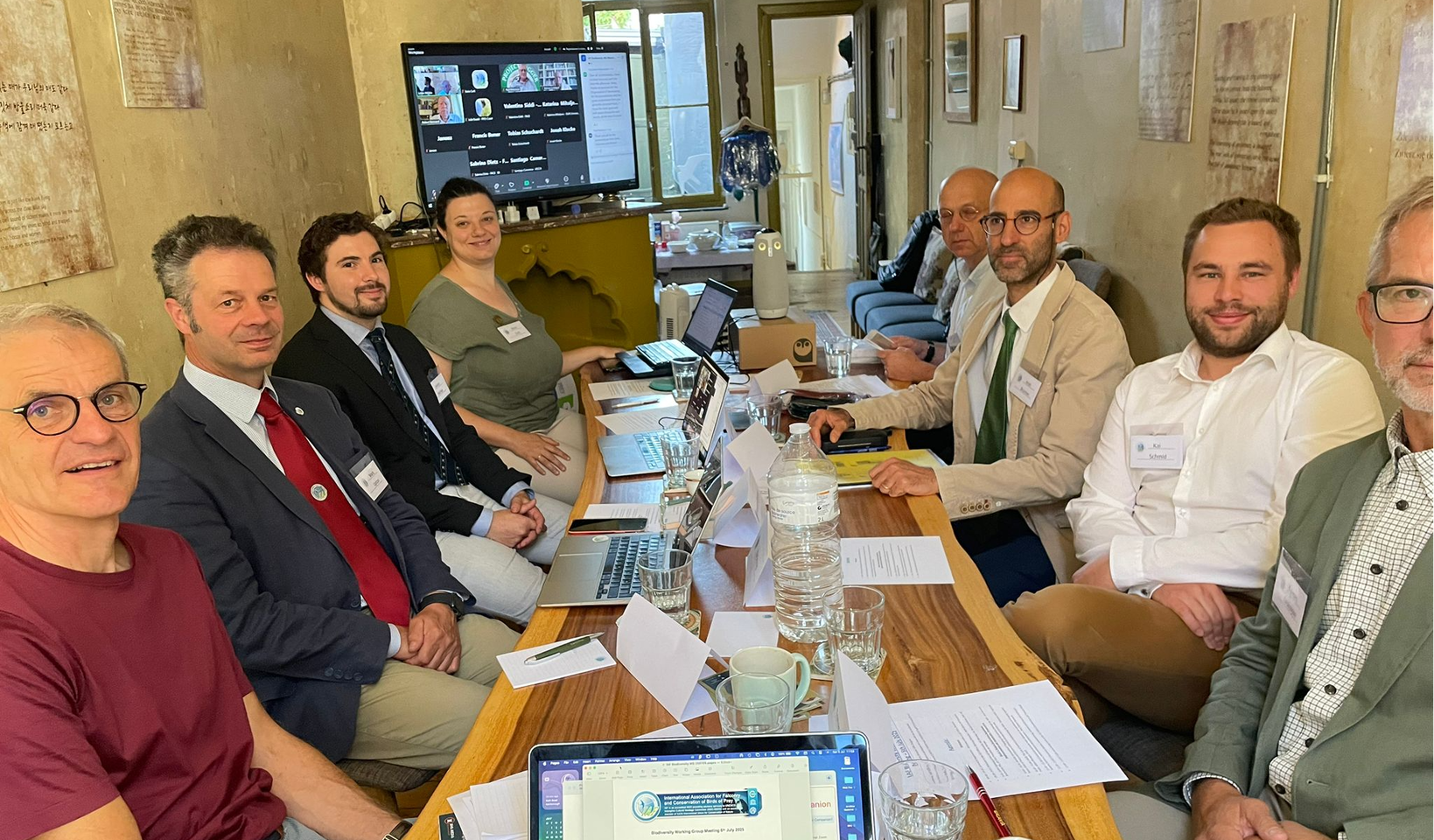
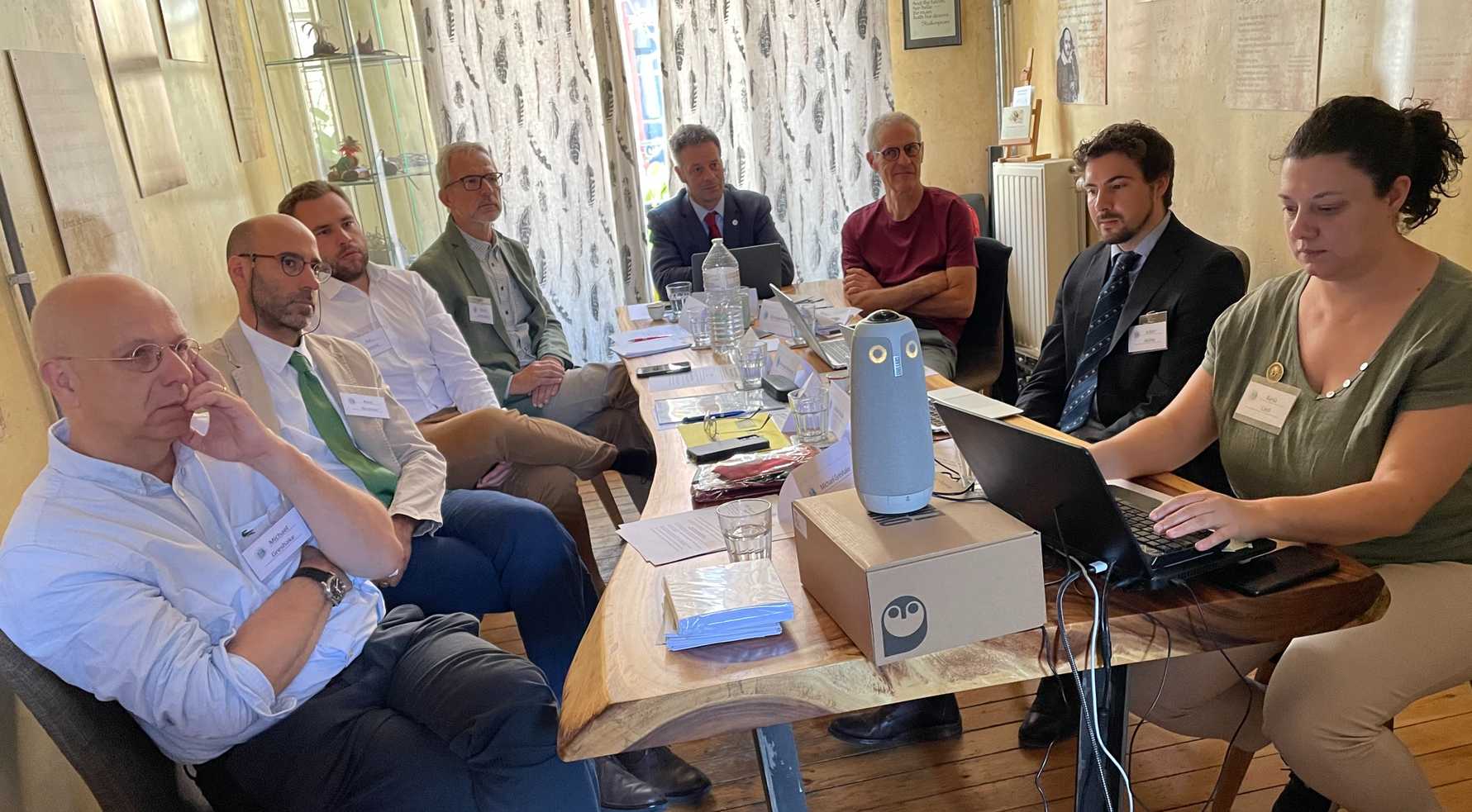
The event brought together a broad range of stakeholders - including falconers, conservationists, hunters, researchers, and rural practitioners. Over 32 participants from 20 organizations based in 16 different countries were represented online and in person. Experts presented on various conservation projects and initiatives, including farmland biodiversity, coastal ecosystems, and falconry practices, while highlighting the importance of civic engagement and collaboration. The participants discussed the need for continued political support, better communication with farmers, and the development of new conservation projects to address biodiversity loss and global warming. Throughout presentations, a common thread showcased that when such a wide range of experts are brought together drawing on the expertise of multiple organizations and different types of stakeholders gained through many projects, it is not a knowledge, but an implementation problem which we are facing. The meeting was opened with welcoming remarks by IAF President Mark Upton and Dr. Michael Greshake, Chair of the Biodiversity Working Group and IAF Vice President for Europe. Both emphasized the urgency of halting biodiversity loss and tackling climate change, underlining the EU Nature Restoration Regulation as a key opportunity to reverse ongoing environmental degradation. They also expressed concern about limited public awareness and political momentum, calling for continued advocacy and communication from civil society and the falconry community. The first presentation was delivered by Ariel Brunner, Senior Head of Policy at BirdLife Europe and Central Asia. Mr. Brunner gave an overview of the regulatory and political context surrounding the NRR, identifying both the challenges and opportunities associated with its implementation. He highlighted the importance of political will, coalition-building, and pressure from civil society to ensure that restoration objectives are translated into effective national actions. His presentation sparked an engaged exchange with attendees, many of whom echoed the need to build networks and alliances to support regulatory uptake. Moderating the session, IAF CEO Julian Mühle expanded on the legal framework of the NRR, describing it as a major legislative milestone in EU conservation efforts. The moderator then introduced Valentina Siddi from FACE (the European Federation for Hunting and Conservation), who presented a comprehensive breakdown of the Regulation's content. She underscored the law's introduction of quantitative, time-bound targets that had been missing from previous EU directives, including clear restoration obligations for agricultural landscapes. She highlighted the importance of habitat mapping and accurate data for reporting and discussed the need for both public and private financing mechanisms. Mrs. Siddi also stressed that success would require meaningful collaboration among hunters, falconers, farmers, and environmental authorities. A short discussion followed, with a representative of the German IAF member organization Deutscher Falkenorden contributing practical examples of cooperation with land users at the national level. The final speaker in the mornings session, Professor Robert Kenward, delivered a detailed historical and strategic overview of falconry's role in conservation. He traced the evolution of modern falconry from a restoration-driven activity in the 1970s when raptor populations were facing a collapse caused by the thinking of eggshells due to DDT to it being embedded in broader sustainability goals and multinational environmental agreements and fora. Professor Kenward stressed the importance of stakeholder collaboration, presenting tools such as decision-support systems and networking platforms developed to foster global-with-local conservation partnerships. He reiterated that falconers, as trusted actors in rural areas, are uniquely positioned to facilitate cooperation among user groups, policymakers, and researchers. His presentation closed the morning session. The afternoon opened with a presentation by Dr. Francis Buner of the Game and Wildlife Conservation Trust (GWCT), who shared the outcomes and key findings of the North Sea Interreg PARTRIDGE Project (2016–2023). The project demonstrated how agri-environment schemes and landscape-level planning can significantly boost farmland biodiversity. Dr. Buner explained how the initiative increased habitat quality and quantity across 10 demonstration sites in Western Europe, and how it influenced policy and land management practices. He emphasized the value of cross-border cooperation, technical advice, and targeted communications in promoting ecological recovery. Next, Dr. Julie Ewald introduced the ProCoast Horizon Project, a pan-European initiative focused on coastal ecosystem restoration. The project includes 10 case studies and integrates community involvement with change management frameworks, notably Theory U and Kotter's eight-step model. Dr. Ewald emphasized how empowering local communities and promoting adaptive strategies can help achieve long-term restoration goals in dynamic coastal environments. Dr. Eckhard Gottschalk then presented an overview of the German wide Partridge project (2023–2029) which aims to conserve grey partridges and farmland birds across 10 large rural areas. The project implements conservation measures on cropland and involves close collaboration with farmers and regional authorities. Dr. Gottschalk highlighted barriers such as funding shortages and uneven adoption of agri-environmental schemes across German federal states, but noted positive results where local engagement was strong. The second part of the afternoon was dedicated to national updates, case files, and best practice examples. Janusz Sielicki, Chair of the IAF Conservation Portfolio, presented interim results from a survey conducted under the CMS Raptors MOU. The survey explores trends in the use and conservation of the Saker Falcon, highlighting regional differences in falconry practices and threats such as electrocution. He encouraged national associations to continue submitting data, which will be instrumental in improving conservation outcomes and advocacy strategies. Tomas Leskovjan (Czech Republic), delegate of the Czech Falconers Club and an active farmer and falconer with three decades of experience, shared practical insights into agro-environmental measures and the challenges of implementation. He highlighted the rigidity of EU agricultural subsidies and the skepticism of some large-scale farmers toward ecological practices. Mr. Leskovjan presented a series of field-tested measures—such as seed-rich margins, organic rotation, and the use of foster parent birds for rearing partridges and pheasants—that have proven effective. He also called for better support systems and improved communication with farmers. Kai Schmid (Germany), delegate of the Deutscher Falkenorden provided an update on the growing number of regional initiatives focused on grey partridge conservation and the creation of a conservation fund for DFO club members. He emphasized the importance of structured engagement with government bodies, particularly through the Aktionsforum Natur (AFN - Forum for Nature Conservation and Hunting). Christophe Kimmel (France), delegate of ANFA reported on the state of biodiversity policy, noting ongoing challenges with securing consistent funding and collecting ecological data. Nevertheless, he pointed to recent opportunities emerging under the reformed Common Agricultural Policy (CAP), and stressed the need for coordinated EU-wide efforts. Dr. Panagiotis Azmanis of the Association of Hellenic Falconers joined online and delivered an inspiring update on AHF's multi-faceted work. This includes raptor rehabilitation, legal advocacy, and environmental education. He showcased successful conservation projects like the Lanner Falcon recovery effort in Greece and highlighted the role of falconers as citizen scientists and local conservation leaders. The meeting concluded with a pre-recorded presentation from Dan Cecchini (United States) of the North American Grouse Partnership, offering a transatlantic perspective on habitat-based conservation and science-driven collaboration. His message focused on habitat preservation, data-driven strategies, and policy advocacy rooted in partnerships with private landowners and hunting organizations. The meeting provided a broad platform for exchanging expertise, perspectives, and challenges related to nature restoration and biodiversity management. Across all sessions, several key themes emerged: the necessity of inclusive governance, the challenge of translating legislative goals into practical, field-level action, and the vital role of stakeholder trust and long-term cooperation. Falconers were repeatedly recognized not only as users of biodiversity, but as potential leaders in its conservation. Their position at the intersection of traditional practice and modern ecological stewardship gives them a unique role to play in bridging the gap between regulatory frameworks and everyday land use, even when local conditions vary, as the strategies for achieving restoration and sustainable land use share many core principles. For national clubs and associations, the takeaways are clear: continued engagement with both EU and national processes is essential. Contributing field data, sharing best practices, and building partnerships with farmers, hunters, scientists, and policymakers will help ensure that restoration targets are realistic, grounded, and achievable. As the Nature Restoration Regulation moves from adoption to implementation, the contribution of the falconry community will remain not only relevant, but essential to its success. If you are interested in participating as a member or an observer to the IAF Biodiversity WG, please contact us via greshake@iaf.org and muehle@iaf.org, we look forward to hearing from you.
Opening remarks and EU Nature Restoration Regulation segment
Farmland Biodiversity, Project Results, and Field Lessons
National Updates, Case Studies, and the Importance of Engagement
Concluding Reflections
Following this detailed report on the Biodiversity Working Group event, we are pleased to include a few additional contributions from members who attended in person. These reflections share their own perspectives, impressions, and highlights, offering a more personal view alongside the formal summary. Together, they provide a fuller sense of the discussions and the atmosphere of the meeting.
France: Implementation of the 2024 Nature Restoration Law and the Role of Falconers
By Christophe Kimmel, delegate of ANFA
Christophe Kimmel, delegate of ANFA, provided an update on biodiversity policy with a particular focus on the new European regulation on nature restoration, definitively adopted on June 17, 2024. This landmark legislation, part of the EU's Biodiversity 2030 Strategy, commits Member States to restore at least 20% of EU land and sea by 2030, with further targets for 2040 and 2050. Each country is required to submit a draft national restoration plan to the EU by September 2026.
In France, the process of shaping this plan is proving to be highly complex. Early proposals appear vague and risk falling short of the necessary ambition, while recent policy signals suggest the legislation may even be diluted in practice. Such developments could undermine the achievement of biodiversity goals, particularly in relation to small game species that are so important to falconers.
Nevertheless, falconers have a clear interest in ensuring the effective implementation of this regulation, and the IAF has actively supported its adoption. National hunting organizations, including the Fédération nationale des chasseurs, are preparing contributions to the consultation, and ANFA has been invited to participate.
Czech Republic: From Falconer to Farmer - 15 Years of Agro-Environmental Measures
By Tomas Leskovjan, delegate of the Czech Falconers Club
Tomas Leskovjan, delegate of the Czech Falconers Club and an active farmer and falconer with more than three decades of experience, shared his personal journey of combining falconry with farming in order to support the recovery of small game. Motivated by the dramatic decline of pheasants and partridges in the Czech landscape - accelerated first by socialist collectivization in the 1950s and later by agricultural intensification after EU accession - he set out to experiment with agro-environmental measures designed to improve habitats and restore biodiversity.
Over nearly 15 years, he has tested a range of measures supported under the Common Agricultural Policy (CAP), from seed-rich strips to grass on arable land and combined habitat strips for partridge. Some methods, such as the repatriation of partridges, proved unsustainable in landscapes that lacked suitable cover, while others, like seed-rich strips or habitat measures for lapwings, have delivered real benefits for farmland birds, pheasants, and other wildlife. His experience underscores an important lesson: releasing birds alone cannot succeed without addressing the underlying quality of the habitat.
At the same time, Leskovjan has observed the obstacles that continue to limit wider adoption among Czech farmers. Low awareness, reluctance to commit to five-year schemes on rented land, fear of penalties, and a deeply rooted focus on intensive production have all contributed to weak uptake of agro-environmental measures. Although subsidies are generous, the area currently covered remains less than 0.4% of Czech arable land - a figure far too low to deliver large-scale biodiversity gains.
Germany: Strengthening Conservation Initiatives and Advocacy Role
By Kai Schmid, delegate of the Deutscher Falkenorden (DFO)
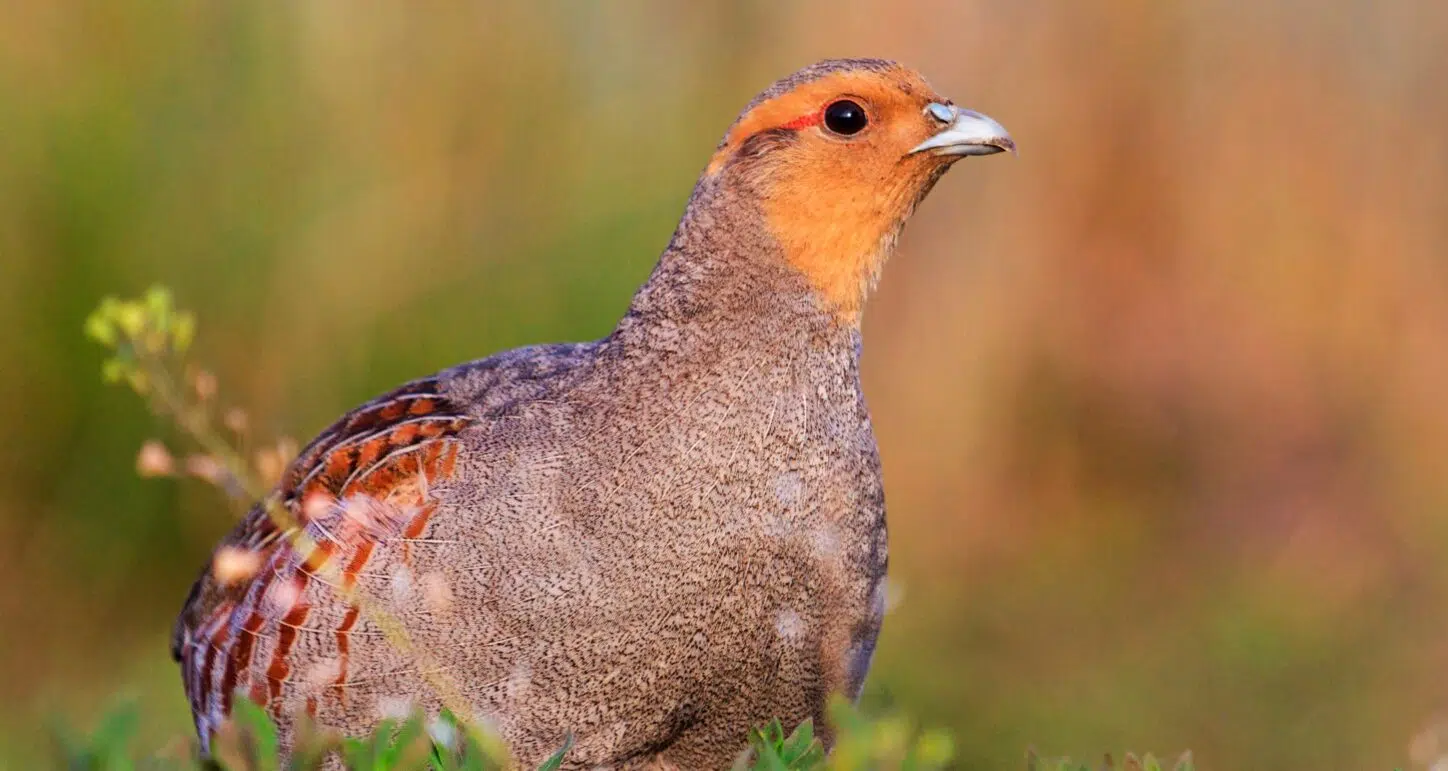
Kai Schmid, delegate of the Deutscher Falkenorden (DFO), reported on the association's growing engagement in national conservation policy. He noted the DFO's active role in lobbying for the implementation of the EU's Common Agricultural Policy (GAP) regulations, with the aim of ensuring that biodiversity measures and hunting perspectives are better integrated. These efforts are closely tied to the club's long-standing involvement in the national grey partridge conservation initiative "Rebhuhn retten – Vielfalt fördern", which combines practical habitat work with broader advocacy for farmland biodiversity.
Alongside policy engagement, the DFO has established a dedicated conservation fund to support its members in implementing local measures. Through this mechanism, falconers and hunters can apply for financial assistance to carry out greening projects, habitat improvements, and predator management activities. The fund represents a structured way to translate the association's conservation priorities into concrete field action, encouraging wider participation and responsibility among its members.