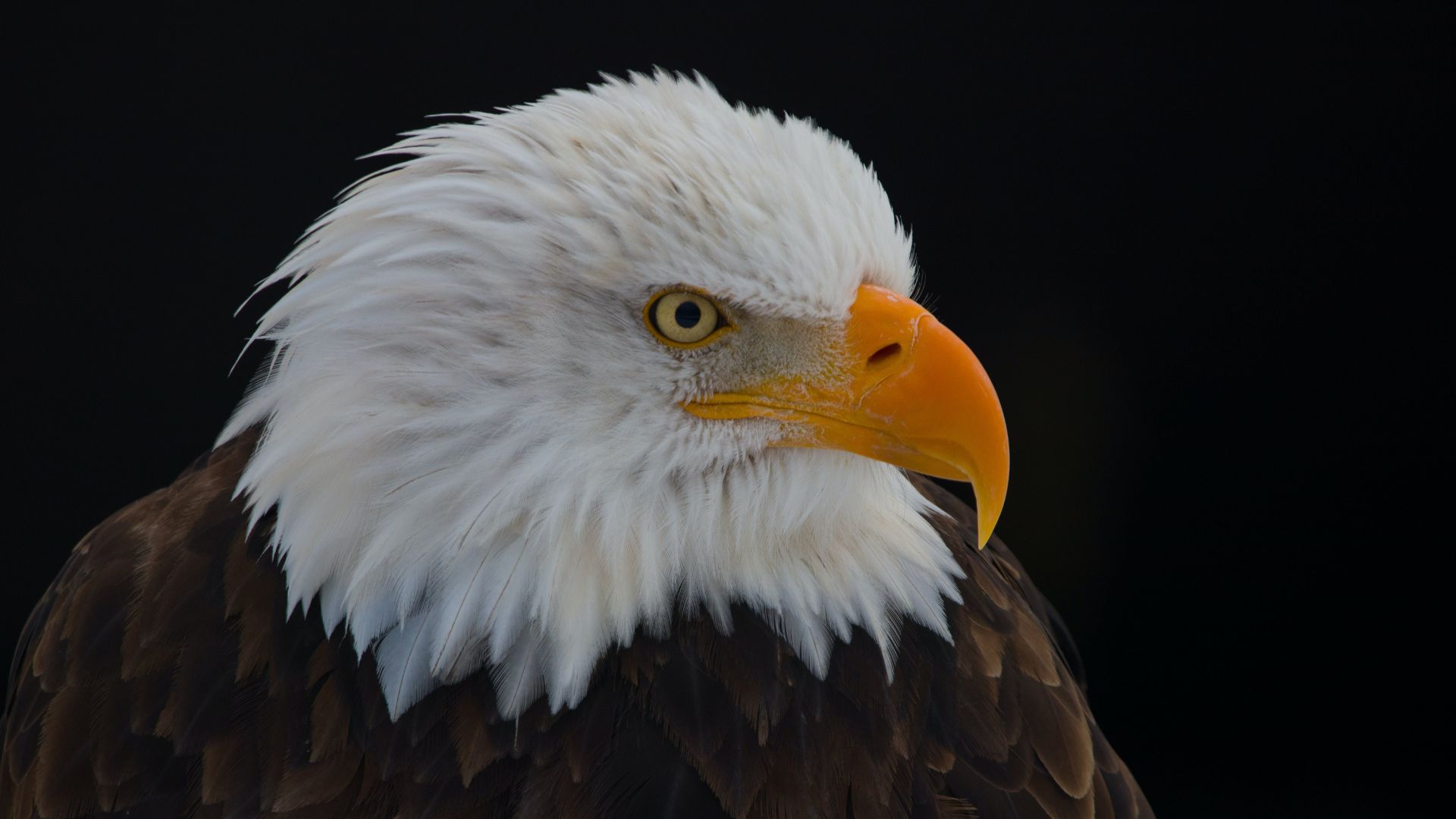
Join the IFC Sustainability Webinar: Preventing Bird Electrocution on Power Distribution Lines

The IAF is pleased to invite all interested parties to participate in the upcoming IFC Sustainability Webinar: Preventing Bird Electrocution on Distribution Lines taking place on the 11th June at 14:30 - 16:00 (UTC+02:00).
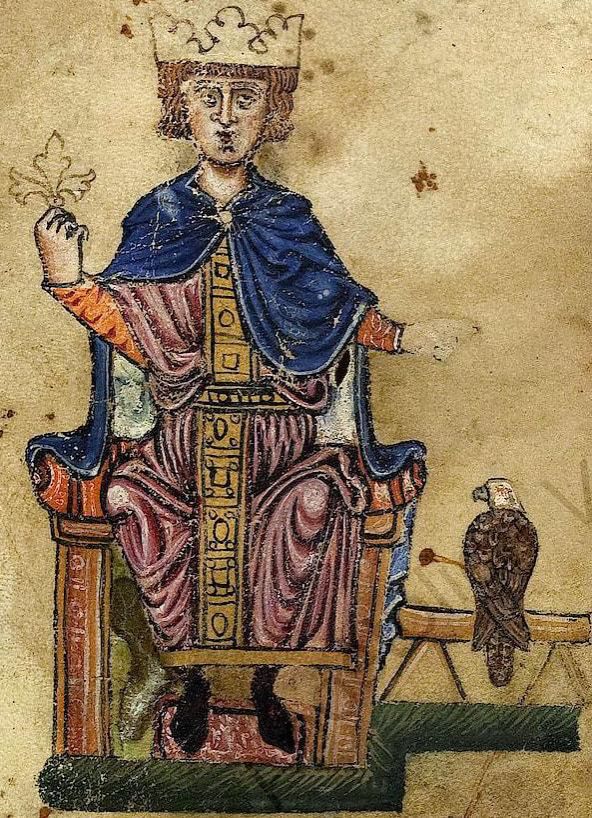
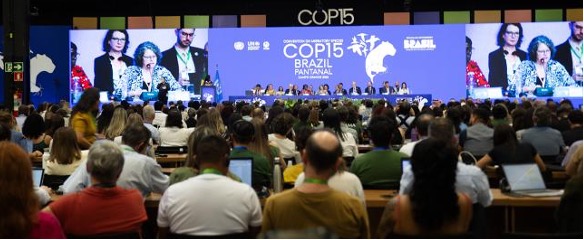
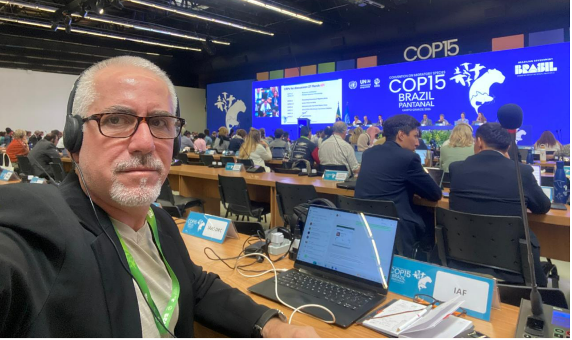
This webinar will promote the newly published IFC and EBRD Tip Sheet: Preventing Bird Electrocution on Distribution Lines, an important guidance document designed to help financial institutions, developers, utilities, and infrastructure operators reduce bird mortality caused by power infrastructure. We encourage you to share this invitation with colleagues and specialists who may be interested, particularly those working in the electricity distribution sector, infrastructure development, environmental management, or sustainable finance. The International Finance Corporation (IFC), a member of the World Bank Group, and the European Bank for Reconstruction and Development (EBRD) have developed this Tip Sheet as practical guidance for projects financed by international financial institutions. The document provides recommendations to help ensure that new and upgraded distribution lines are designed and operated in ways that minimise bird electrocution risks. IAF's work on bird electrocution began following research conducted by Andrew Dixon in Mongolia, which highlighted the severe impact of unsafe power infrastructure on raptor populations, including endangered falcons. Key milestones in this effort include: Between 2020 and 2023, extensive collaboration took place between IAF, IFC, and EBRD to transform the original guidance into a practical tool suitable for use across the financial sector. Through numerous consultations, reviews, and revisions, the document evolved into the IFC Tip Sheet being promoted today. The publication of this Tip Sheet represents a significant achievement for bird conservation. It demonstrates how a conservation concern identified in the field can be translated into practical standards that influence investment decisions and infrastructure development around the world. What began as an idea discussed at a conference in Mongolia in 2014 has, after more than a decade of sustained effort, resulted in internationally recognised guidance that can help prevent the deaths of countless birds from unsafe power infrastructure. IAF is proud to have initiated and supported this process from its earliest stages and looks forward to continuing cooperation with partners across the conservation, energy, and finance sectors. We hope you will join the webinar and help spread the word. We are currently undertaking a comprehensive update of our members database. Please note that throughout this process members and subscribers will not be able to access the membership section of the IAF website as they did before. We have contacted all members and individual subscribers to ask them to update their membership data. If you have already sent this to us you dont need to do anything further at this time. If you have not received our email or would like to make any further updates to your data, please contact us by emailing secretariat@iaf.org. On 16 April 2026, the Library of Les Riches Claires in Brussels hosted a fascinating lecture entitled "Falconry between East and West: Exchanges in the Mediterranean (12th–15th Centuries)", presented by historian Prof. Baudouin Van den Abeele. The event was co-organised by HH Sheikh Mohamed bin Zayed Museum of International Falconry and brought together attendees interested in the rich cultural history of falconry and its role in connecting civilizations. The lecture explored how medieval falconry served as a remarkable channel for the exchange of knowledge, techniques, and cultural practices between Europe and the Eastern Mediterranean world. Using hunting traditions, manuscripts, and the movement of birds of prey as examples, Van den Abeele demonstrated how the Mediterranean of the 12th and 13th centuries functioned as a vibrant crossroads of intellectual and cultural interaction. Particular attention was given to the multicultural environment of medieval Sicily and to the influential figure of Frederick II. A passionate falconer and scholar, Frederick II authored the famous treatise De arte venandi cum avibus ("The Art of Hunting with Birds"), which combined practical experience, careful observation, and knowledge drawn from both Western and Eastern traditions. The presentation highlighted the important role played by Arabic falconry texts translated into Latin at Frederick's court, introducing new techniques and specialised vocabulary into European practice. It also examined the movement of birds themselves—gyrfalcons from northern Europe, oriental falcons, and exotic birds exchanged as diplomatic gifts—illustrating the extensive commercial and diplomatic networks that linked Europe, North Africa, and the Near East. By looking at medieval history through the lens of falconry, the lecture revealed a connected world in which knowledge, skills, and traditions travelled across political, religious, and cultural boundaries. The event provided a valuable reminder that falconry has long been more than a hunting practice: it has also been a vehicle for dialogue, exchange, and mutual understanding between peoples and cultures. The IAF warmly thanks Professor Baudouin Van den Abeele for highlighting this important chapter in the shared heritage of falconry and congratulates him on a successful lecture. The IAF participated in the 15th Conference of the Parties to the Convention on the Conservation of Migratory Species of Wild Animals (CMS CoP15), held in Campo Grande, Brazil, from 23–29 March 2026. The meeting brought together governments, scientists, conservation organisations, Indigenous Peoples, local communities, and civil society representatives to discuss global conservation priorities for migratory species. The IAF was represented throughout the conference by Adrian Reuter, who attended to monitor developments relevant to falconry, birds of prey, and sustainable use. A particular highlight was IAF's participation in the Raptors MoU side event, "A New Phase for Conserving and Managing the Saker Populations", organised on 23 March by the CMS Raptors Memorandum of Understanding. Janusz Sielicki represented the IAF with an online presentation on "Changes in Falconers' Practices and the Impact of Electrocution", highlighting the results of a new survey developed jointly by the IAF and the Raptors MoU. The survey examined current falconry practices and the growing challenge posed by electrocution on power infrastructure. The presentation was well received and reinforced the role of falconers as knowledgeable partners in raptor conservation. The conference also addressed a wide range of issues relevant to birds of prey, including illegal killing and trade of migratory birds, poisoning, electrocution, ecological connectivity, flyway conservation, and the development of new international conservation initiatives. Of particular interest were decisions to establish Internationally Important Raptor Areas (IIRAs), continue work on preventing poisoning of migratory birds, and advance species-specific conservation measures such as the Steppe Eagle Global Action Plan. CMS CoP15 further provided valuable opportunities for cooperation and networking with partner organisations, including FACE, CIC, Conservation Force, and representatives from governments and conservation bodies involved in raptor conservation. Discussions throughout the week highlighted the importance of maintaining strong engagement in international conservation forums and ensuring that the perspectives of sustainable-use communities and falconers continue to contribute to global conservation policy. The IAF will continue to follow developments within CMS and the Raptors MoU closely and remains committed to supporting science-based conservation, sustainable use, and international cooperation for the benefit of migratory birds of prey and their habitats.
For more details, please visit the website or follow us on Facebook. Join us in celebrating the enduring art of falconry and its global heritage.
Dear friends of IAF, the IAF represents and safeguards falconry against threats and challenges internationally, and links together all its member falconry clubs throughout the world. While primary membership of the IAF is for clubs, it is also possible to support the IAF as an individual subscriber. This cost 40 euro per year and affords the right to attend the annual Council of Delegates Meeting, to join IAF working groups, and to receive a copy of the yearly IAF Journal. It provides a way in which individuals may support the activities of the IAF financially at an affordable cost. We encourage members of the falconry community to become individual subscribers, and would like to request all of our member organisations to also encourage their members to support IAF in this manner. This will help to keep membership dues for clubs at their current level, while allowing the IAF to continue its current activities on your behalf.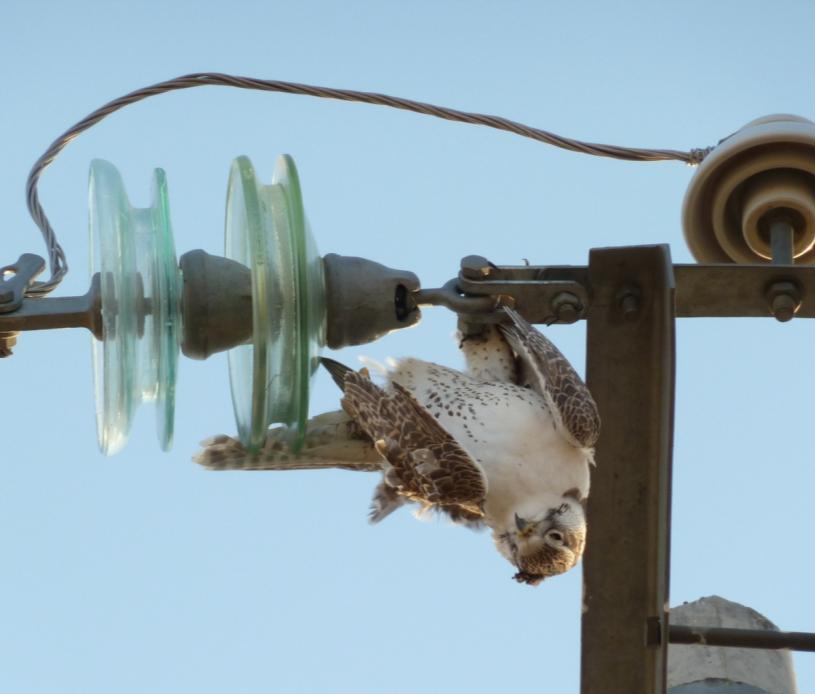
IAF's long-term commitment:
From concept to global guidance
Database update
Falconry and the Circulation of Knowledge between East and West
IAF Participates in CMS CoP15 in Brazil
Explore the World of Falconry at His Highness Sheikh Mohamed bin Zayed Museum of International Falconry
✉ Email: visit@internationalfalconrymuseum.org
🌍 Website: https://internationalfalconrymuseum.org/
Individual Falconers Support the IAF